


With literally millions books published every year, whether theology or not…
Knowing which books Christians should read can feel overwhelming.
Whether you’re exploring theology, diving into fiction, or strengthening your apologetics–having clear priorities makes all the difference.
This comprehensive guide:
- Breaks down 15 essential categories of books Christians should read, from the classics to eschatology
- Gives you specific recommendations to help you build a robust theological library
- Shows you how to read each type of the book, so you’re growing in wisdom
Let’s take a look at them below.
Note: The Bible belongs in a category of its own and should always be your first priority. Everything else flows from there.
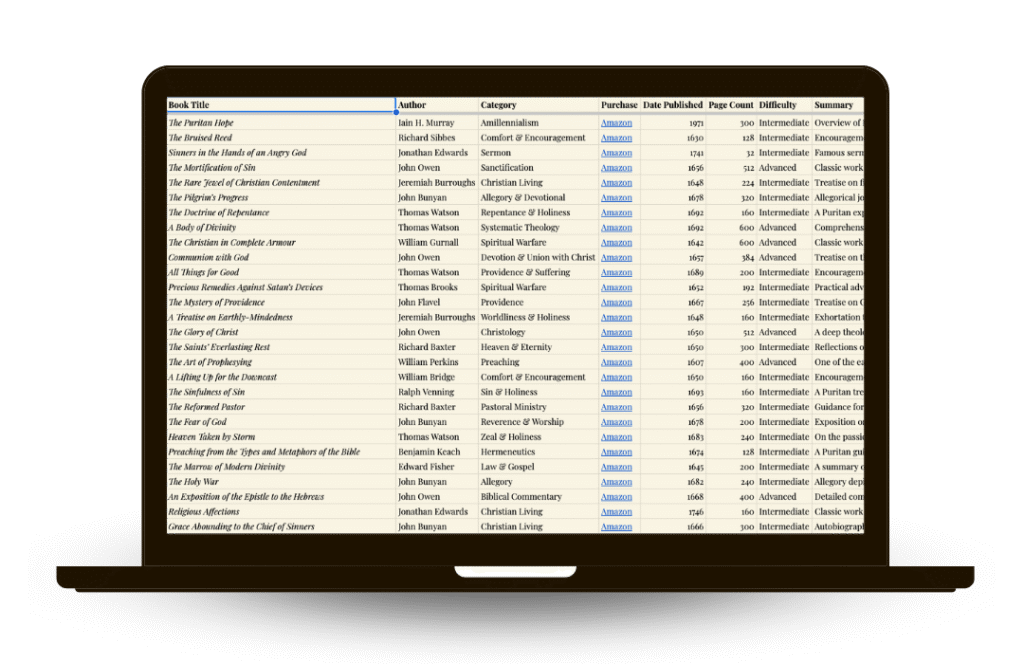
Table of Contents
- 1. Christian Classics: Your Starting Point
- 2. Reformed Classics: Diving Deeper
- 3. Commentaries and Biblical Expositions
- 4. Confessional Expositions: The Most Underrated Category
- 5. Church History: Context Changes Everything
- 6. The Puritans: In a League of Their Own
- 7. Evangelism and Apologetics: Faith in Action
- 8. Systematic and Biblical Theology
- 9. Trinitarian Theology
- 10. Hermeneutics, Covenant Theology, and Dispensationalism
- 11. Western Canon: Literature That Shaped Culture
- 12. Ordo Salutis: The Order of Salvation
- 13. Eschatology: The End Times
- 14. General and Christian Fiction
- 15. Business and Leadership
- Building Your Reading Habit
- Conclusion: Your Reading Journey Starts Now
1. Christian Classics: Your Starting Point
Every believer benefits from timeless Christian literature.
These are those foundational works have shaped believers across generations and denominations, whether written in the last 200 or 2000 years.
Essential reads:
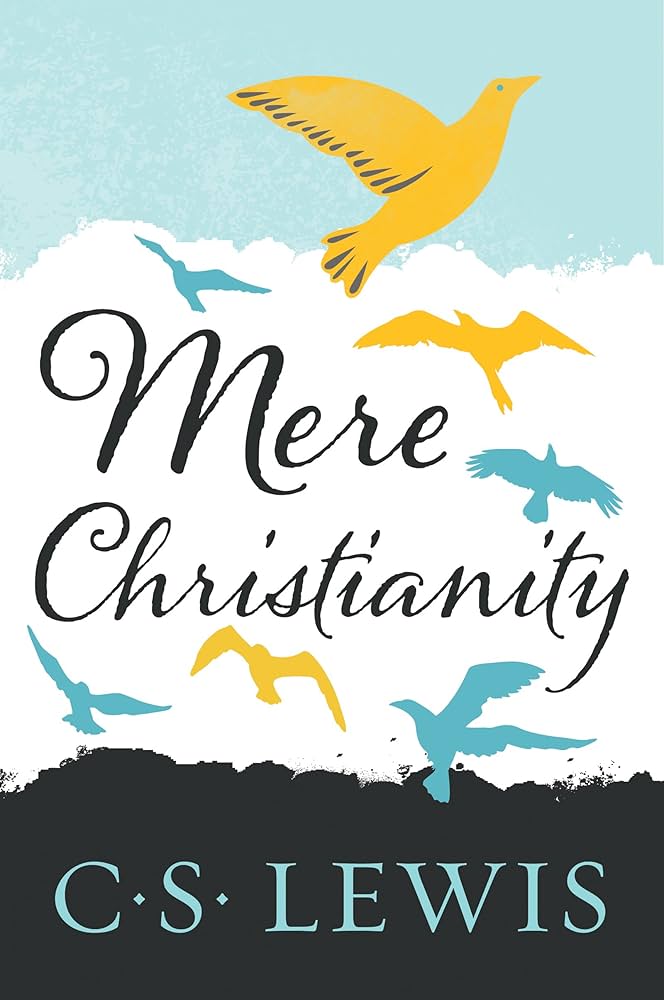
- Mere Christianity by C.S. Lewis
- The Pursuit of God by A.W. Tozer
- The Screwtape Letters by C.S. Lewis
- Confessions by Augustine
These aren’t specifically Reformed, but they offer tremendous wisdom that transcends denominational lines.
For example: C.S. Lewis, though Anglican, provides insights every Christian needs in his book Mere Christianity.
It’s not a perfect book of course, but starting here gives you a solid foundation before diving into more specialized theology.
2. Reformed Classics: Diving Deeper
Once you’ve explored general Christian classics, books Christians should read next include Reformed-specific works that unpack the doctrines of grace, as well as confessional theology and covenant theology.
Because, well: Reformed = Biblical 😉
Top recommendations:
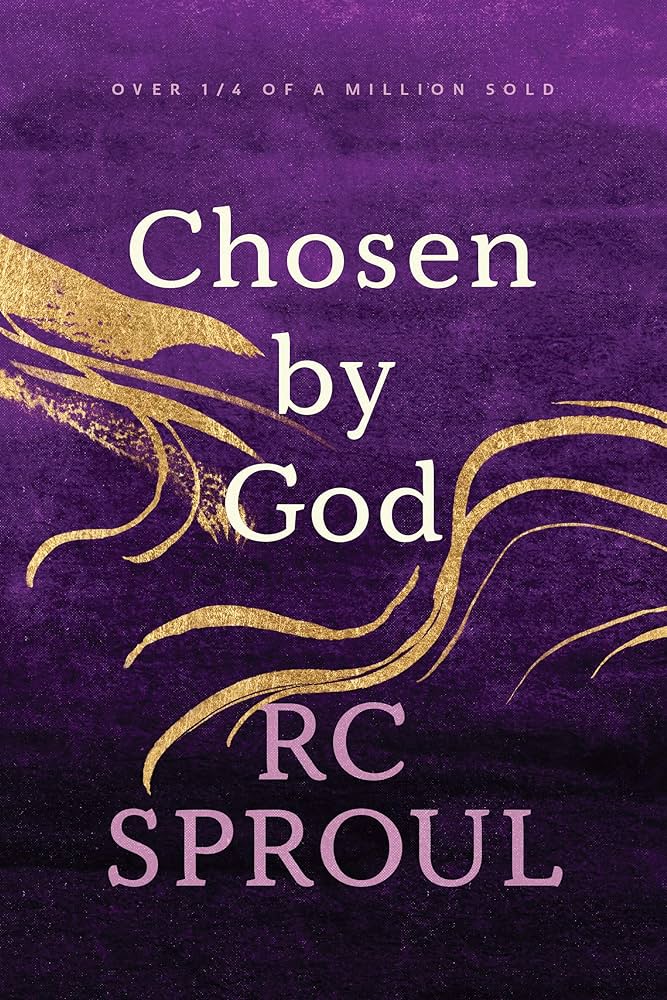
- Chosen by God by R.C. Sproul
- What is Reformed Theology? by R.C. Sproul
- The Sovereignty of God by A.W. Pink
- The Divine Covenants by A.W. Pink
- The Westminster Confession of Faith
- The 2nd London Baptist Confession of Faith of 1689
Pink offers particularly rich covenant theology insights, though his “cage stage” writing style can be intense (I kinda love it though). Sproul provides a more accessible entry point for those new to Reformed thought.
And of course, go and read through those historic confessions of faith for a comprehensive theological foundation.
3. Commentaries and Biblical Expositions
Understanding Scripture deeply requires the help of faithful scholars who’ve wrestled with the text. Enter commentaries and Biblical expositions.
Key resources:
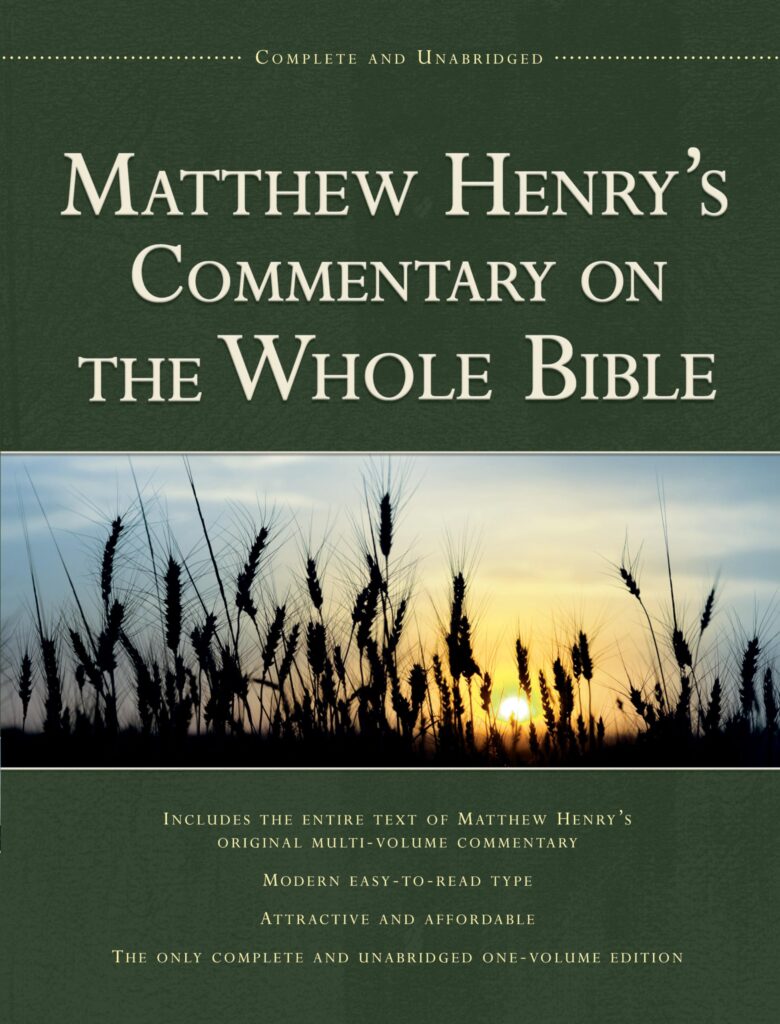
- Matthew Henry’s Complete Commentary (get the original, not the abridged version)
- John Calvin’s Commentaries
- Charles Spurgeon’s Commentaries
- Various Romans expositions (essential for every Christian)
For Romans specifically, consider works by Martin Luther, R.C. Sproul, or Douglas Moo.
These commentaries reveal gold in Scripture that we might miss on first reading, and help us stick to orthodox Protestant theology.
4. Confessional Expositions: The Most Underrated Category
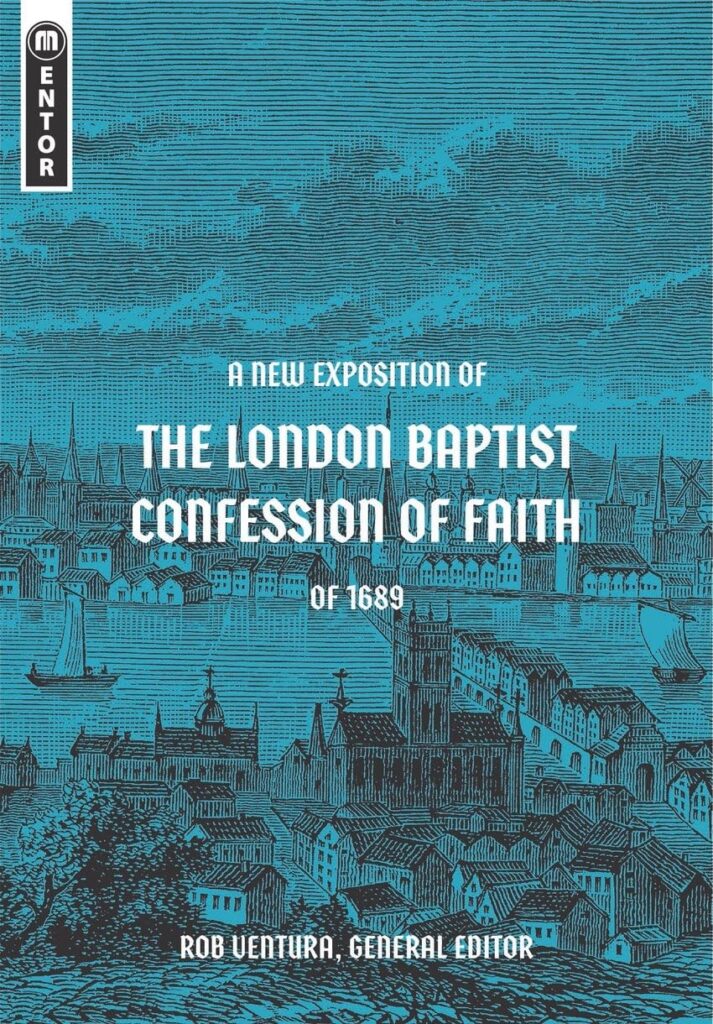
This might be the most overlooked category in our list of books Christians should read. Confessional expositions unpack historic Reformed confessions with incredible depth.
You can think of them like mini-Systematic Theologies in a sense.
Must-reads by tradition:
- Reformed Baptist:
- Presbyterian/Westminster:
- Continental Reformed:
These books clarify complex theological concepts (like justification, God’s decree, the Church etc.), show how doctrines interconnect, and ground everything firmly in Scripture.
They’re transformative for understanding faith, the order of salvation, and Christian growth.
5. Church History: Context Changes Everything
You can’t fully understand theology without understanding the historical context in which it developed.
This is where church history becomes essential for the Christian. It’s like family history for the church (Eph. 2:19).
Essential history books:
- Church History 101 by Beeke, Haykin, and Ferugson
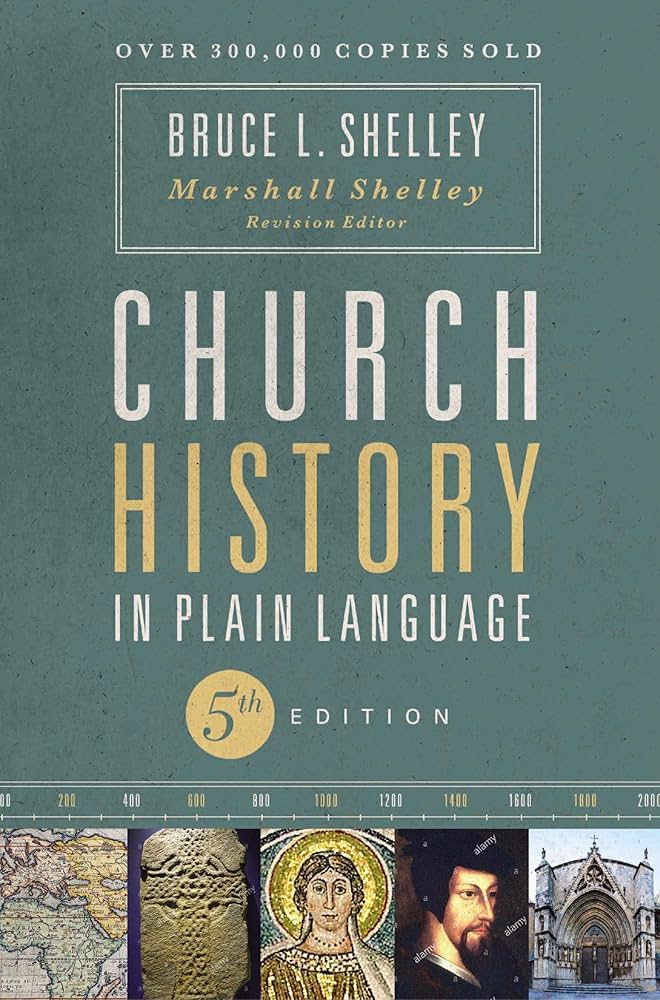
- Church History in Plain Language by Bruce L. Shelley
- The Reformation by Diarmaid MacCulloch (the gold standard for Reformation history)
- The Baptist Story by Chute, Haykin & Finn (for Baptist-specific history)
Church history gives you the “why” behind theological developments and helps you understand where different authors and movements come from. Whether it’s the patristic era, the Reformation, or the modern church.
6. The Puritans: In a League of Their Own
Puritan literature deserves its own category among books Christians should read.
And no–the Puritans aren’t cold and austere, but pastoral and warm. A few pages in to any of their works, and you’ll see this first hand.
These works combine theological depth with practical application in ways few modern authors match.
Start here:
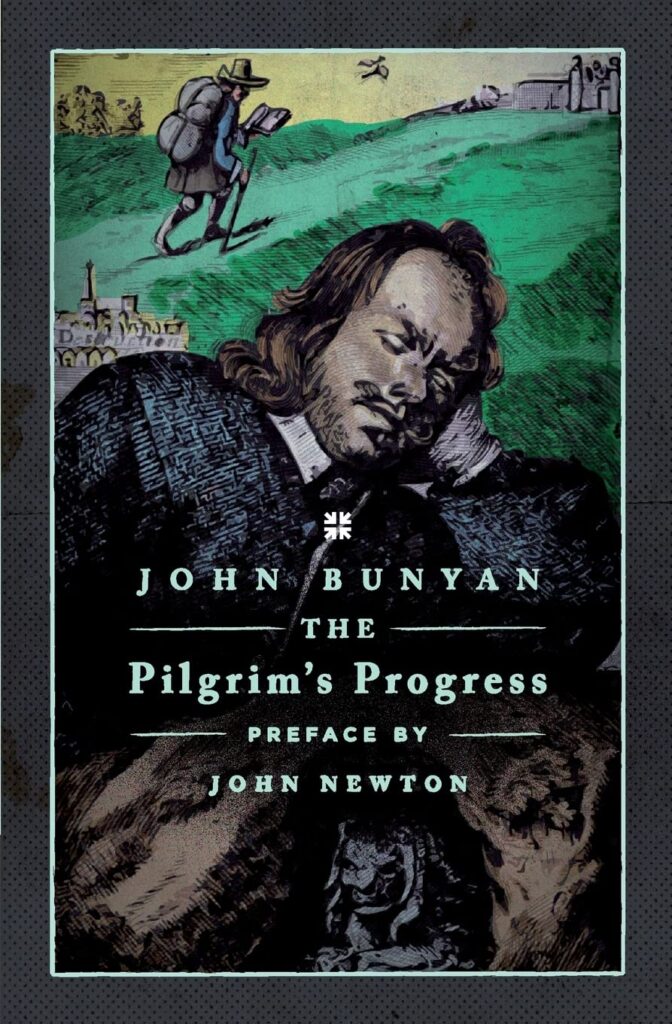
- The Pilgrim’s Progress by John Bunyan (surprisingly relevant to modern prosperity gospel issues)
- The Bruised Reed by Richard Sibbes (perfect for believers struggling with assurance)
- The Mortification of Sin by John Owen (practical theology on fighting sin)
The Puritans excel at making complex theology intensely practical. Bunyan’s allegory feels like it could have been written yesterday, and Owen’s work on mortifying sin provides battle-tested wisdom for spiritual warfare (it helped me a lot when struggling with sin in my life).
7. Evangelism and Apologetics: Faith in Action
The Christian faith demands practical application. These books equip you to both share and defend the gospel effectively.
Two recommended books:
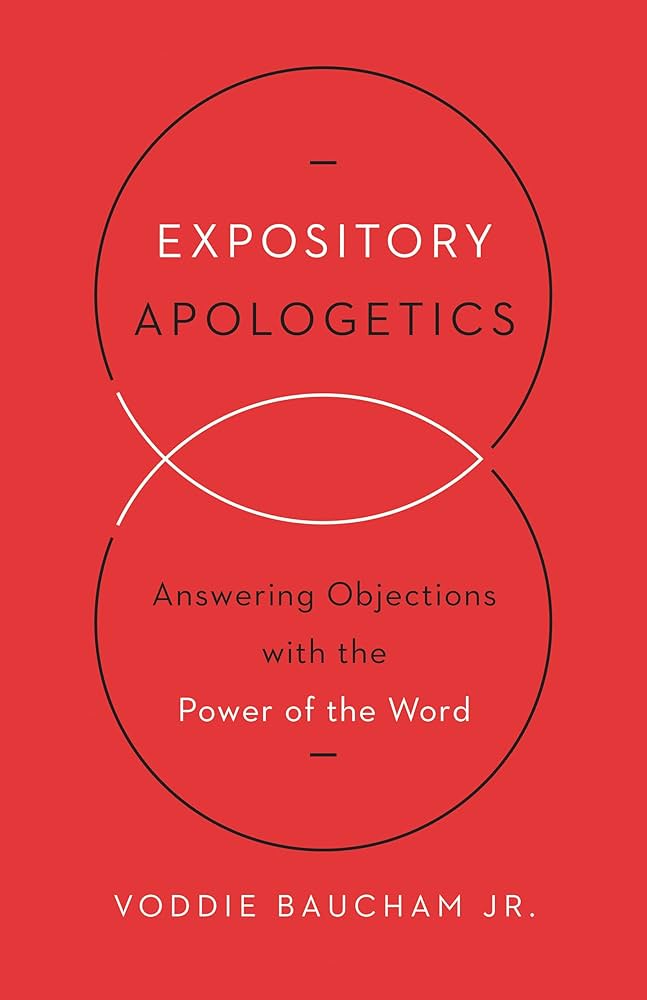
- Expository Apologetics by Voddie Baucham (biblical, practical, conversational – my go-to apologetics recommendation)
- Tactics by Greg Koukl (very practical and simple)
- Evangelism and the Sovereignty of God by J.I. Packer (reconciling Calvinism with evangelism)
Baucham’s approach focuses on asking questions that reveal flaws in non-Christian worldviews, making apologetics accessible without requiring extensive philosophical training. Both of these are books Christians should read to become more confident in sharing their faith.
8. Systematic and Biblical Theology
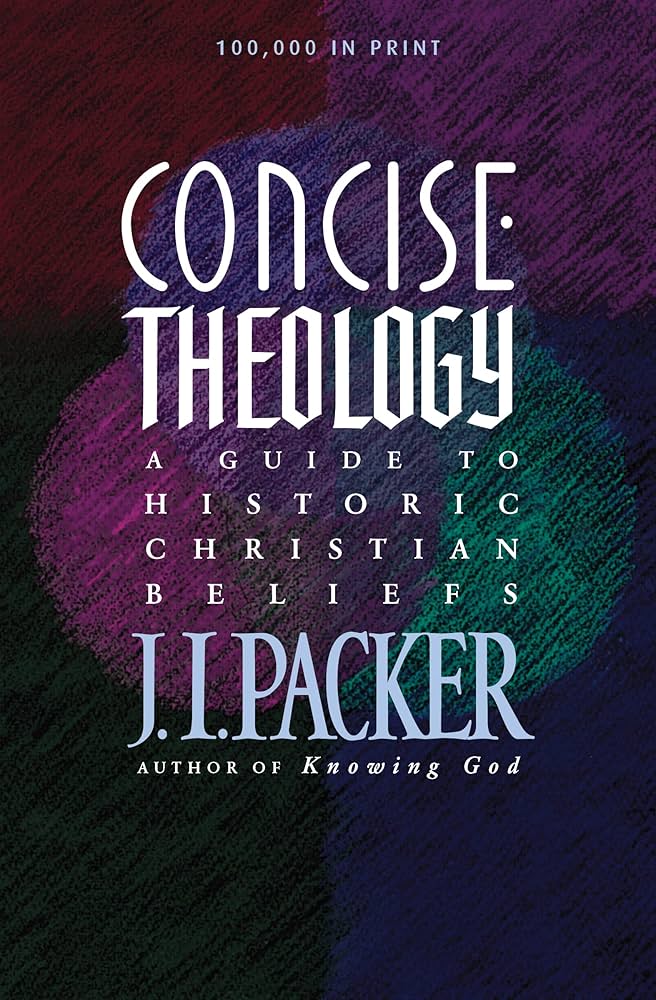
Understanding how all of Scripture fits together requires systematic theology—the practice of organizing biblical truth into a coherent framework.
For beginners:
- Concise Theology by J.I. Packer (easiest starting place)
- Everyone’s a Theologian by R.C. Sproul (gets a little deeper)
- Daily Doctrine by Kevin DeYoung (great for family worship)
For deeper study:
- Reformed Systematic Theology by Beeke and Smalley (modern, accessible, in-depth)
- Systematic Theology by Wayne Grudem
- Systematic Theology by Louis Berkhof (classic)
- Institutes of the Christian Religion by John Calvin
- Reformed Dogmatics by Herman Bavinck (advanced)
Start with Packer, Sproul or DeYoung to get your bearings, then commit to a full systematic theology when ready. These comprehensive works require dedication but provide invaluable holistic understanding.
9. Trinitarian Theology
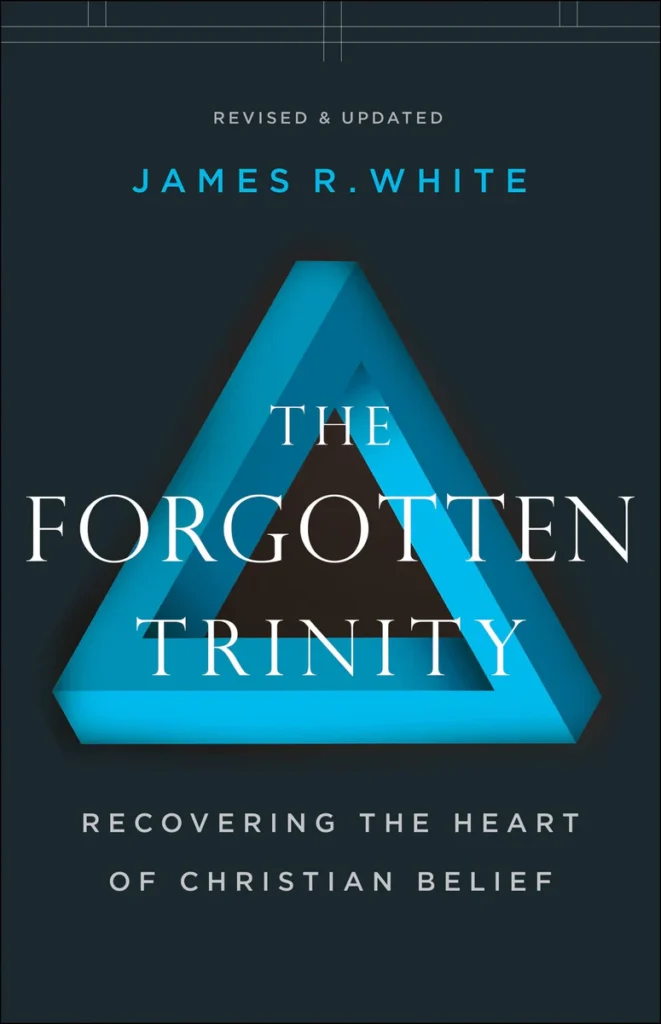
The Trinity—Father, Son, and Holy Spirit—is central to Christian faith and warrants focused study. But there are so many nuances: how does the hypostatic union work? What are Christ’s two natures? Is there submission in the Trinity?
Understanding these theological concepts requires intentional reading.
Essential Trinity books:
- The Forgotten Trinity by James White (solid introduction)
- Knowing God by J.I. Packer (theology of God the Father)
- The Glory of Christ by John Owen (Christology)
- The Holy Spirit by Sinclair Ferguson (Reformed pneumatology)
Ferguson’s work is particularly important given the abundance of unbiblical teaching about the Holy Spirit. But all in all – read these to build a robust understanding of who God is.
10. Hermeneutics, Covenant Theology, and Dispensationalism
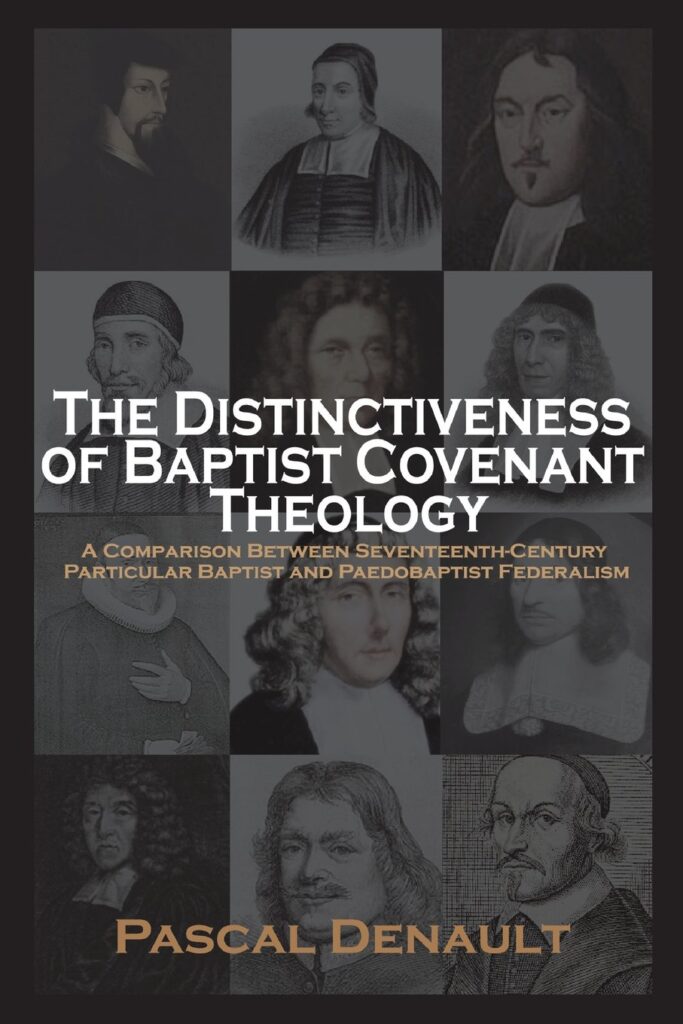
How you interpret Scripture determines everything else. This is what we call hermeneutics.
Understanding different hermeneutical frameworks is crucial–the two main ones being covenant theology and dispensationalism.
Personally? I believe in Covenant Theology (1689 Federalism, to be specific). But to be fair to all perspectives, I’ll include books from a variety of perspectives.
Key works:
- Covenant Theology
- God of Promise by Michael Horton (covenant theology from a paedobaptist perspective)
- The Mystery of Christ, His Covenant and His Kingdom by Samuel Renihan (1689 Federalism/Reformed Baptist perspective)
- The Distinctiveness of Baptist Covenant Theology by Pascal Denault
- Dispensationalism
Get hermeneutics wrong, and you get everything wrong. Reformed Christian men especially need a solid grasp of how the Old and New Testaments relate, how covenants function, and how redemptive history unfolds.
11. Western Canon: Literature That Shaped Culture
Classic fiction reveals how Christianity influenced Western civilization and provides cultural literacy.
Worth reading:
- Anna Karenina by Leo Tolstoy (interesting Russian Orthodox themes throughout the book)
- The Way of All Flesh by Samuel Butler (Christian themes even from an agnostic author)
- Dr. Jekyll and Mr. Hyde by Robert Louis Stevenson
- Charles Dickens novels (A Christmas Carol, Bleak House, A Tale of Two Cities)
These books Christians should read to understand cultural context and see Christianity’s pervasive historical influence, even in works by non-believers.
12. Ordo Salutis: The Order of Salvation
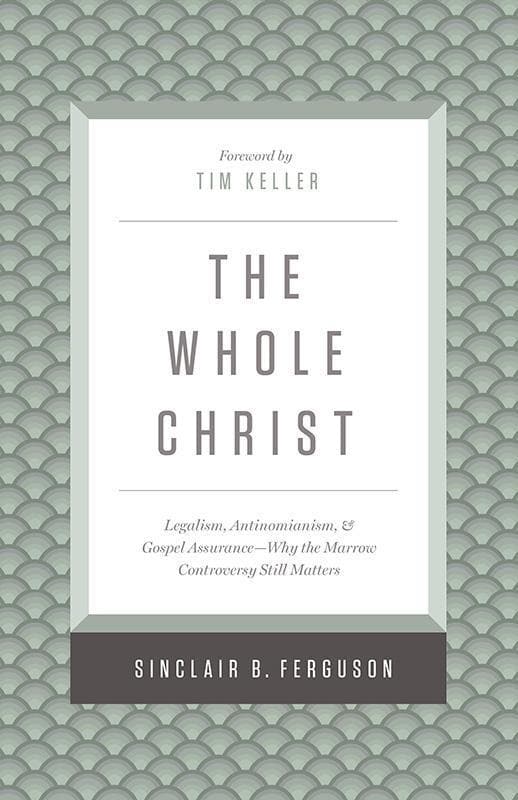
When I first got into theology, the ordo salutis (or the order of salvation) was one of the most confusing doctrines to learn. But it was immensely worth it.
These books deep dive into specific aspects of salvation—regeneration, conversion, justification, adoption, sanctification—providing clairty on how God saves.
Resources:
- The Whole Christ by Sinclair B. Ferguson
- The Cross of Christ by John Stott
- The God Who Justifies by James White
On top of the books above, confessional expositions (as covered earlier) cover this extensively. But specialized works on each element of the ordo salutis offer even deeper understanding.
Check my Ultimate Reformed Book List for specific recommendations on regeneration, justification, sanctification, and more.
13. Eschatology: The End Times
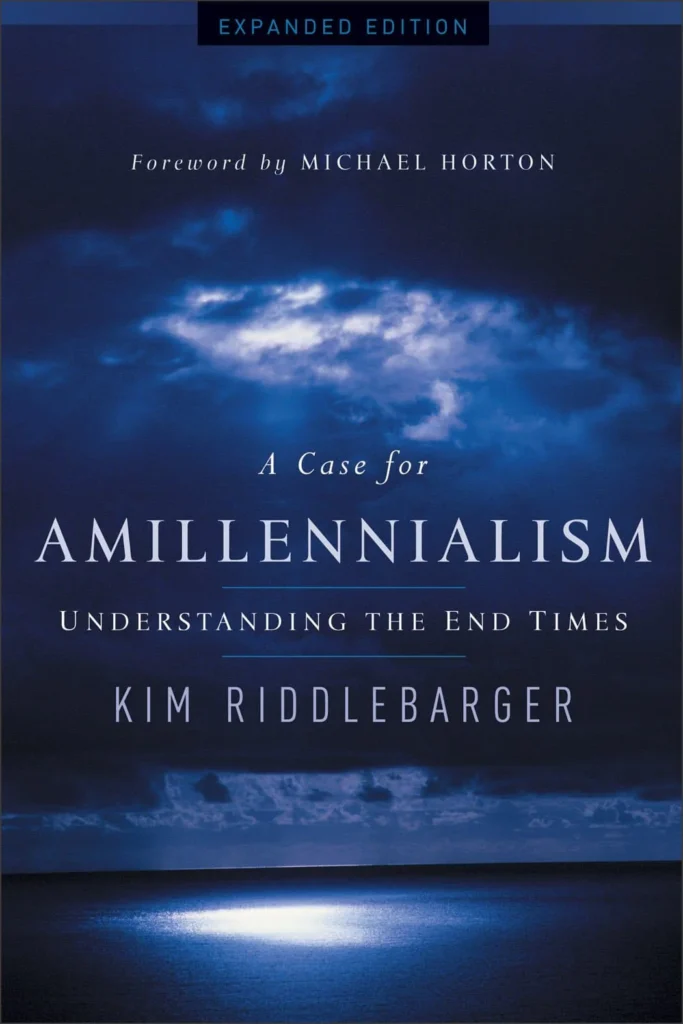
End times theology deserves careful study, even if it’s not your primary focus. Because how we view the last things changes our practical Christianity in the day-to-day.
Start here:
- The Meaning of the Millennium: Four Views by Robert Clouse (compares premillennial, amillennial, postmillennial, and dispensational views)
- A Case for Amillennialism by Kim Riddlebarger
- Postmillennialism: An Eschatology of Hope by Keith Mathison
- A Case For Historic Premillennialism by Craig L. Blomberg and Sung Wook Chung
This gives you a balanced introduction to major eschatological positions before diving deeper into the view you think is most Biblical.
14. General and Christian Fiction
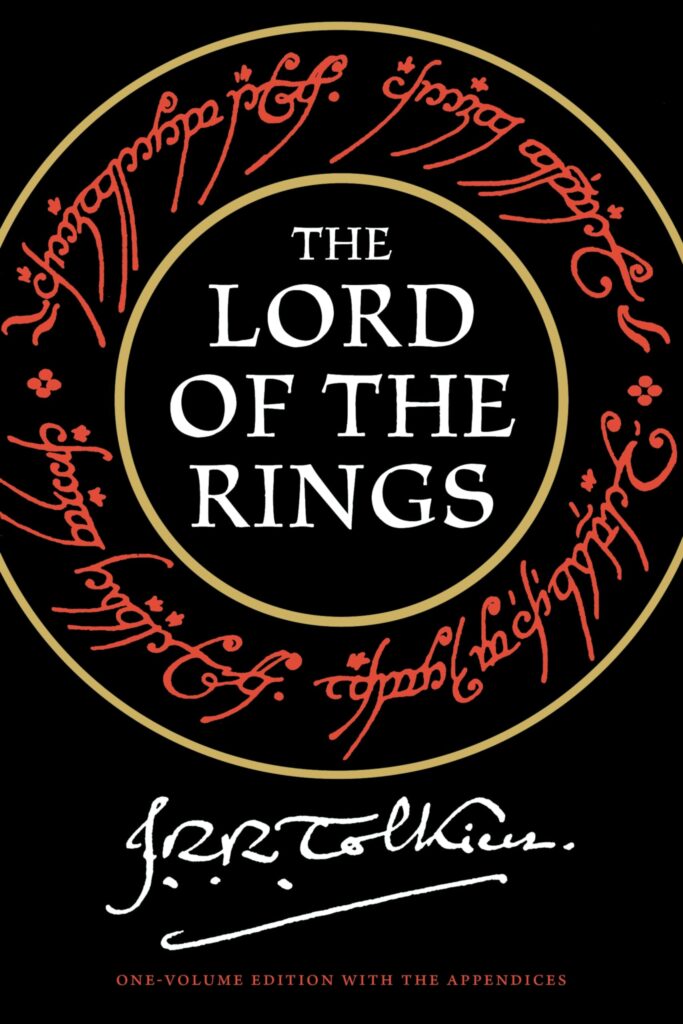
Not every book needs to be heavy theology. Wholesome, well-crafted fiction sharpens your mind, can teach you things in unexpected ways, and provides rest.
Recommended fiction:
- The Lord of the Rings by J.R.R. Tolkien
- The Chronicles of Narnia by C.S. Lewis
- The Pilgirm’s Progress by John Bunyan (mentioning it again, because it fits here)
Mix fiction with your non-fiction reading. It provides mental refreshment while still engaging with truth, beauty, and goodness. These are books Christians should read for both enjoyment and edification.
15. Business and Leadership
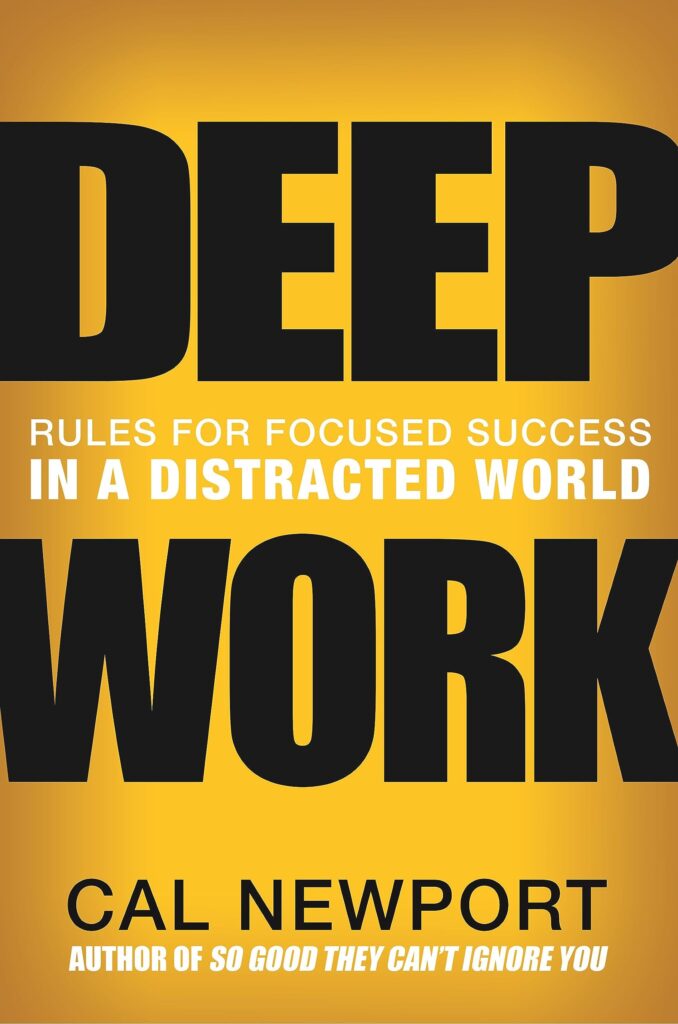
Even if you don’t run a business, leadership principles shape how you steward what God has entrusted to you—family, church involvement, work.
Transformative read:
- Deep Work by Cal Newport (on the power of focused, uninterrupted intellectual work)
- Atomic Habits by James Clear (read with a Bible open, but lots of common grace insights here)
- The 7 Habits of Highly Effective People by Stephen R. Covey (Covey is a Mormon, but has some great common insights if you use discernment)
In our distracted age, learning to do deep, focused work sets you apart. Leadership books teach responsibility and stewardship—crucial for Christian men regardless of their profession.
Don’t think that Christians should read “self-help” type books? Watch my video below:
Building Your Reading Habit
Having a list of books Christians should read is one thing. But actually reading them consistently is another.
Here are some tips for developing better reading habits:
- Start with more accessible books before diving into dense systematic theologies
- Mix fiction with non-fiction to prevent burnout
- Join a reading community for accountability and discussion
- Set realistic goals based on your schedule
- Prioritize more edifying categories (confessional expositions, Reformed classics) while still including variety
Conclusion: Your Reading Journey Starts Now
With 15 categories of books Christians should read laid out before you, the question isn’t whether there’s enough good content—it’s how to prioritize it wisely.
Remember: after the Bible, focus first on Christian and Reformed classics, confessional expositions, and solid commentaries. Build from there based on your interests and needs.
The goal isn’t to read everything—it’s to read strategically, growing in wisdom and godliness with each book you complete. So choose your frequency and emphasis based on what most edifies you, but make sure you’re consistently feeding your mind with truth.
Start today. Pick one book from this list, commit to reading it, and watch how God uses it to sharpen your understanding and deepen your faith.
