


Are you wanting to know how to study theology properly?
If you’re a Christian, you already study theology. The only question is “how well?“.
On one end, many Christians listen to Sunday sermons and nothing else. On the other, you have Christian PhD scholars writing 1500-page theology books.
But we ignore the entire middle space.
So here’s how to go from ordinary Christian to everyday theologian (without a theology degree) in five steps. This journey will cover:
- How to read the Bible more
- Which books you should read along with the Bible
- The best way to start studying a passage in-depth
- Creating an organized theological study system for free
- How to retain the most information & wisdom
Let’s start with Step 1.
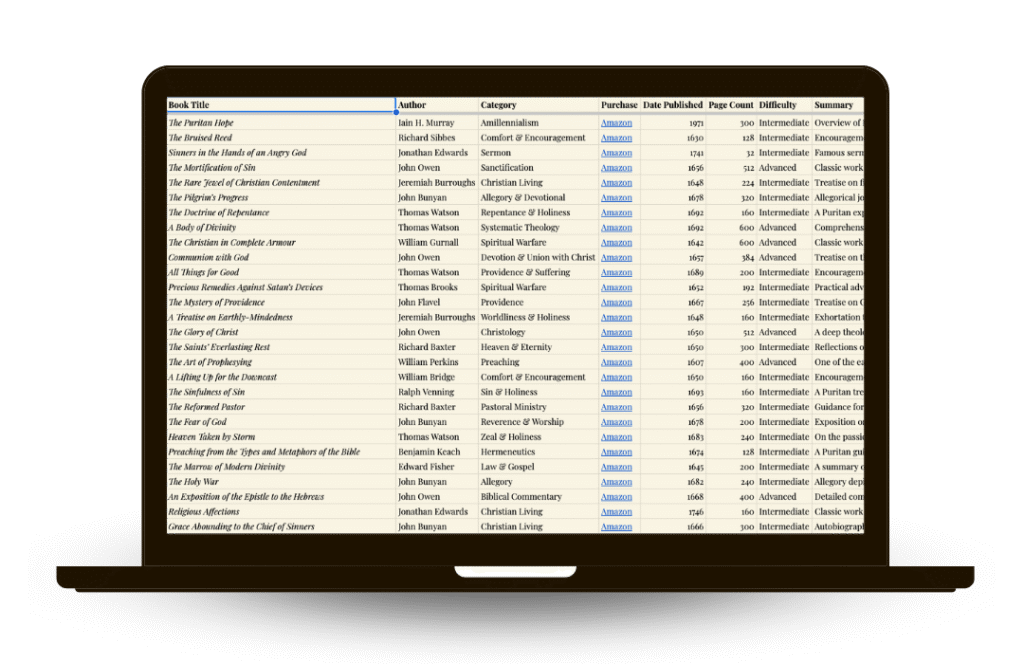
Table of Contents
- Step 1: Just Start Reading Your Bible Daily
- Step 2: Add Study Onto Reading
- Step 3: Start Reading Other Christian and Theology Books
- Step 4: Take Notes and Review
- Step 5: Organize Your Studies Systematically
- The Path Forward
Step 1: Just Start Reading Your Bible Daily
This is the cornerstone habit you must develop if you want to be a serious student of theology.
Every person who bears the name theologian starts here.
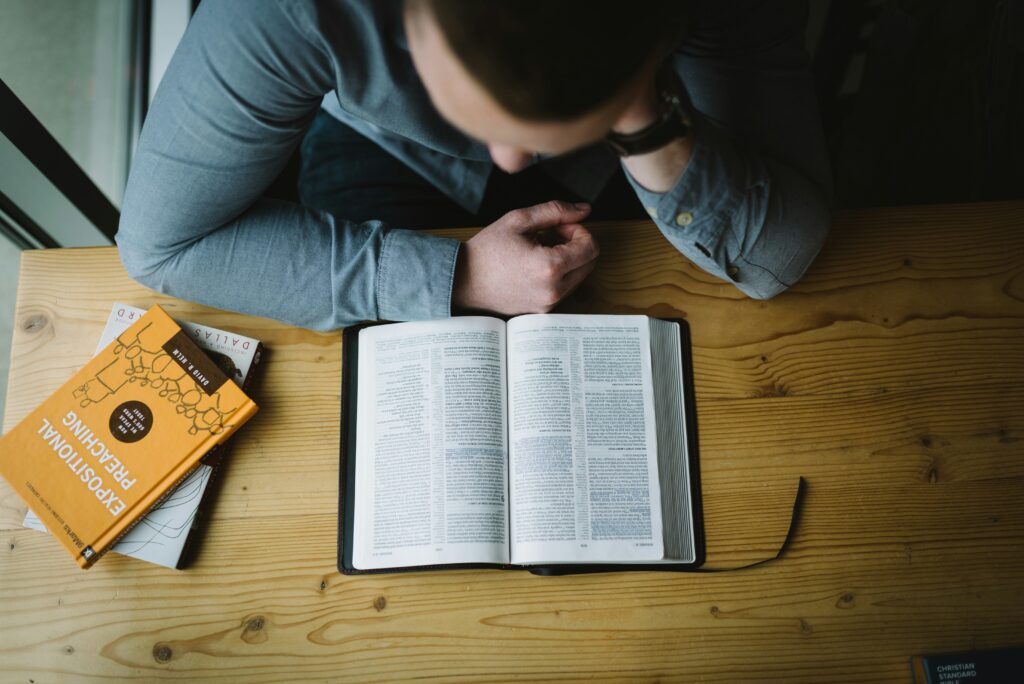
It’s estimated that only 19% of Christians in the US read the Bible daily. I’ve been guilty of it. We’ve all been guilty of it. But this is where transformation begins as we learn how to study theology.
How to Begin: The Simple way
Grab your Bible—the translation you’re already using is probably fine (though I’ll talk about translations in a moment). Just start reading through whole books of the Bible.
This doesn’t have to be in-depth study yet (we’ll cover that in step two). Just read the word, the Holy Scriptures, like any other book.
When I say read it like any other book, I don’t mean to degrade its status. You should read it as the Word of God. But read through entire books from start to finish.
Go to your favorite New Testament epistle or gospel, or head to Ecclesiastes or Genesis. Read through that book of the Bible as a book. And if you’re looking for a starting place, start with the Gospel of John.
Your mind will start engaging with Scripture once you develop this foundational habit. Things you might not even realize will start being planted in your mind by the Spirit. This will undergird everything else you do in your study life.
A Word on Translations
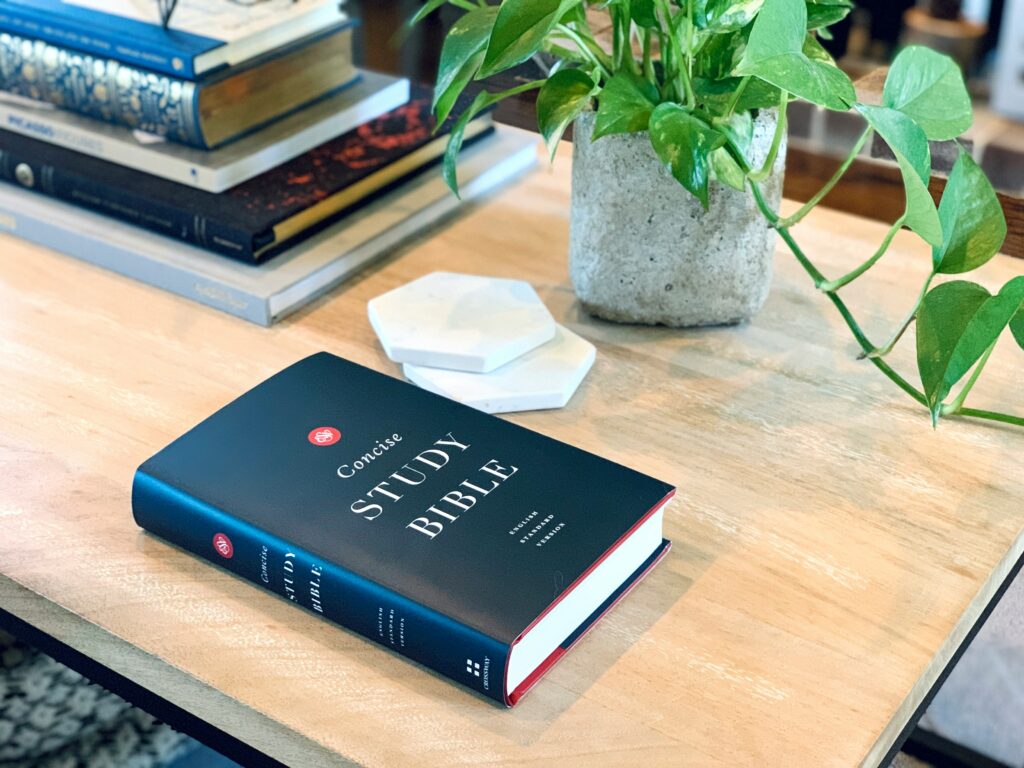
If you’re unsure on which translation to use, pick from any of these 5:
- ESV (English Standard Version)
- NKJV (New King James Version)
- NASB (New American Standard Bible)
- LSB (Legacy Standard Bible)
- KJV (King James Version)
I think the ESV is a fantastic translation, and it’s what I used up until recently. I’m using the NKJV more these days.
There are other excellent translations like the King James Version (known for it’s tradition and poetic flow), the NASB, and the newer LSB (both of which are some of the most literal translations).
But why these 5?
All of these are formal equivalence translations. That means they’re more word-for-word.
People online will say it’s okay to use dynamic equivalence translations (thought-for-thought) for reading as opposed to study, such as the NIV or NLT. This might sound controversial, but I highly recommend you don’t use dynamic equivalence translations at all. At least for normal study.
And don’t even bother with paraphrases like The Message or The Passion Translation 🤮
Pick one formal equivalence translation and make it your daily driver for everything. Use other translations just for reference and cross-checking.
I don’t think bouncing between translations for different uses helps. It’s beneficial to have your core translation that you do all your reading and study in. Bonus points if it’s the same translation your local church uses.
The Practical Plan
Read your Bible for five minutes in the morning. I prefer mornings because your energy is typically higher.
The reason I say five minutes is because literally every single Christian can read their Bible for five minutes a day. We often tell ourselves we don’t have time. But we really do.
Once you’re doing that, increase your time by 5-10 minutes every week. Within a month or two, you’ll be reading your Bible for half an hour to an hour every day. What a wonderful habit to build.
It’s really that simple. Hard, but simple.
Then you can take it up a notch…
Step 2: Add Study Onto Reading
When learning how to study theology, we need to differentiate study from reading.
Study involves taking a very small portion of text and really digging into it. You might take just one or two verses—maybe a whole section at most—and go deep into those passages.

What Study Looks Like
Let’s say you’re in 1 Corinthians 4:1-5. In study, you’re going to pick apart these words:
- What is “this” referring to?
- What was Paul talking about before?
- What does the word “servant” mean here?
- What’s the broader context?
You’re looking at individual words, examining context, and perhaps pulling out commentaries to see what scholars have to say about particular terms or phrases.
Sometimes reading leads to study naturally. I often can’t help but study the Bible as I’m reading it.
For example, when reading 2 Corinthians 3:9, I encountered Paul calling what Moses did in the Old Testament “the ministry of condemnation.”
That phrase stopped me in my tracks. I needed to meditate on it, study it, and understand how the law brings condemnation by revealing our sin.
Tools for Study
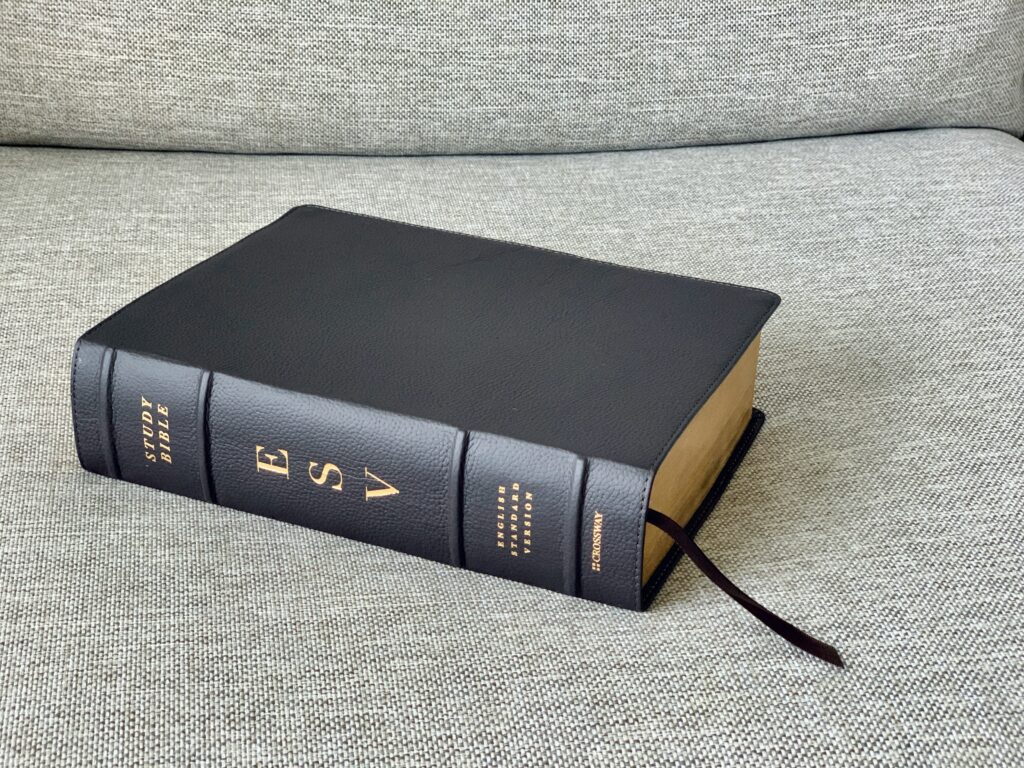
I highly recommend getting a study Bible. The ESV Study Bible is probably my favorite. Other honorable mentions include:
- The NKJV Study Bible
- The Women’s NKJV Study Bible (highly recommended by my wife)
- The Reformation Study Bible (compiled by R.C. Sproul)
- The KJV Reformation Heritage Study Bible
A study Bible is the easiest, low-friction way to get involved in study. All your Bible text and notes are in one place.
Once you’ve been studying for a few months, add commentaries.
I recommend Matthew Henry’s all-in-one commentary. It’s affordable, reliable, Reformed, and brings to life things you won’t immediately see in the text. Just make sure you get the complete and unabridged version. Avoid the new edition that has edited out much of his Reformed theology.
People complain that commentaries add someone else’s interpretation onto yours. But commentaries bring to light things you simply won’t pick up on your own. They provide different perspectives.
This is crucial for study. You might think you have the right interpretation. But a good commentary will show you when a word doesn’t mean what you think it does.
Combining Reading and Study
If you’re doing five minutes of reading, add five minutes of study. Or if you have 30 minutes, split it: 15 minutes reading, 15 minutes studying.
Alternatively, do your reading and then find a passage to go back and study. There are many ways to combine these practices. The point is to start doing both. You’re building skills and habits.
Then you can add on other books.
Step 3: Start Reading Other Christian and Theology Books
Reading the Bible and studying the Bible is foundational. We should never neglect that.
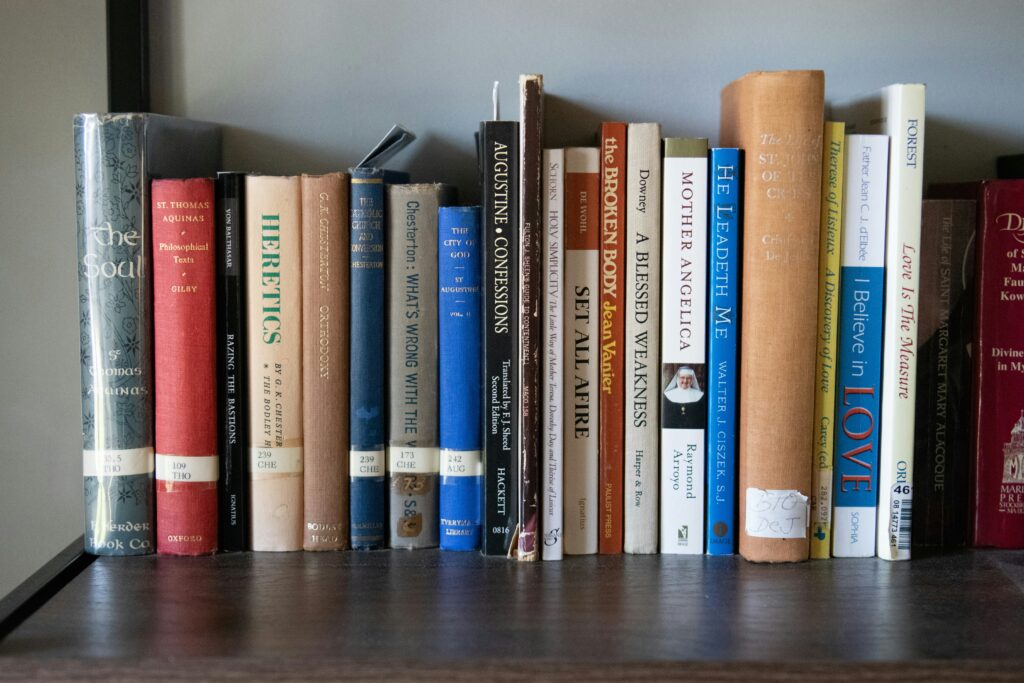
But in learning how to study theology, we should also read books that explain the Bible, provide historical context, offer perspectives on systematic theology, and engage with the old confessions of the Reformed faith.
Start with Shorter Topical Books
If you’re building a general reading habit on top of your Bible reading and study, start with books like:
Historic Confessions:
- The Second London Baptist Confession of 1689 (in Modern English)
- The Westminster Confession (available in Creeds, Confessions & Catechisms by Chad Van Dixhoorn)
- The Three Forms of Unity
Topical Books:
- The Lord’s Day by Joseph Pipa Jr. (about 200 pages on the Christian Sabbath)
- A Case for Amilennialism by Kim Riddlebarger
- Don’t Waste Your Life by John Piper (check out my review here)
- Other books engaging cultural topics from a Christian perspective
The purpose of reading other books is to understand your Bible better. To understand the world God made better. To understand God Himself better—sometimes through natural revelation. I’ve read many secular books that have pointed me back to God. They contain implicit scriptural principles they don’t even recognize. Or truths about the way the world is that God has made.
Reading other books is not bad. But it never undermines reading and studying Scripture.
Progress to Longer Works
Once you develop solid reading habits, start tackling longer books like systematic theologies:
- Expositions of confessions (like Rob Ventura’s exposition of the 1689)
- Calvin’s Institutes
- Beeke and Smalley’s Reformed Systematic Theology
- In-depth biblical theology textbooks
Start small and build up. The habit matters more than the pace.
Step 4: Take Notes and Review
The point of learning how to study theology is to take action.
Sometimes a book changes your perspective and influences many areas of your life. Sometimes it gives practical advice. Note-taking is the bridge between reading and action.

Physical Engagement
Get a pen and start underlining things in your books. I have a weird habit—I typically prefer not to underline my Bible. I like to leave Scripture untouched personally. Though there’s certainly benefit to highlighting it (and I have been experimenting with it more).
But for other books, I highlight quite often. I make notes, write in the margins, and sometime use a seperate notebook.
As I’m reading, if a sentence sticks out, I highlight it. I also mark the corner of pages I want to reference later. So I can quickly flip through and find my notes.
Summarize Chapters
Books are made up of chapters for a reason. Use that structure to increase your learning.
After reading a chapter (or while it’s fresh in your mind), open your notes app and write bullet points summarizing the chapter. Pull out key quotes. Keep it simple—just capture the main ideas.
Write Book Reviews
If you want to solidify what you’ve learned, write a review. Here’s my simple format: What are the five main lessons from this book?
Go through all your chapter notes, underlines, highlights, and quotations. Then write it up. You can post it publicly on something like Goodreads, in a reading community, or on social media. Or keep it private. Either way, the act of reviewing cements the learning.
Teach Others
Add one more element: verbally review what you’ve learned with other people. When you teach others, that’s the highest form of imprinting information into your mind.
Even books without direct “three steps to change your life” advice will transform you.
A book on eschatology might not give you a to-do list. But it will change how you engage in conversations. It will provide a more optimistic view of the end times. It will influence how you approach everything you do for the Lord.
Step 5: Organize Your Studies Systematically
Now you’re reading the Bible, studying the Bible, reading other books, taking notes, reviewing, and actively living out what you’re reading. You have all the materials you need to become your own kind of theologian.

Create Your Own Curriculum
Think about how a seminary would structure things, then recreate that in a way that works for you without attending seminary. That’s what most people go to seminary for—the structure. You can create that yourself.
Want to dive into Presbyterian covenant theology? Pick out six books on the topic from well-reviewed sources. Purchase those books and organize them. Create your own curriculum, your own reading plan.
Organize Your Library
Develop a system for your bookshelves. Here’s how I organize mine:
- Top shelves: Bibles and commentaries
- Middle shelves: Church history books
- Lower shelves: Reformed theology books, general Christian books
- Bottom shelf: Books I’m reconsidering (might keep, might give away, might reread)
- Separate area: Secular books for engaging with common grace insights
Create lists of what you want to read next. Plan your reading in advance. You might do 12-week reading plans focusing on specific topics or working through related books systematically.
Join a Community
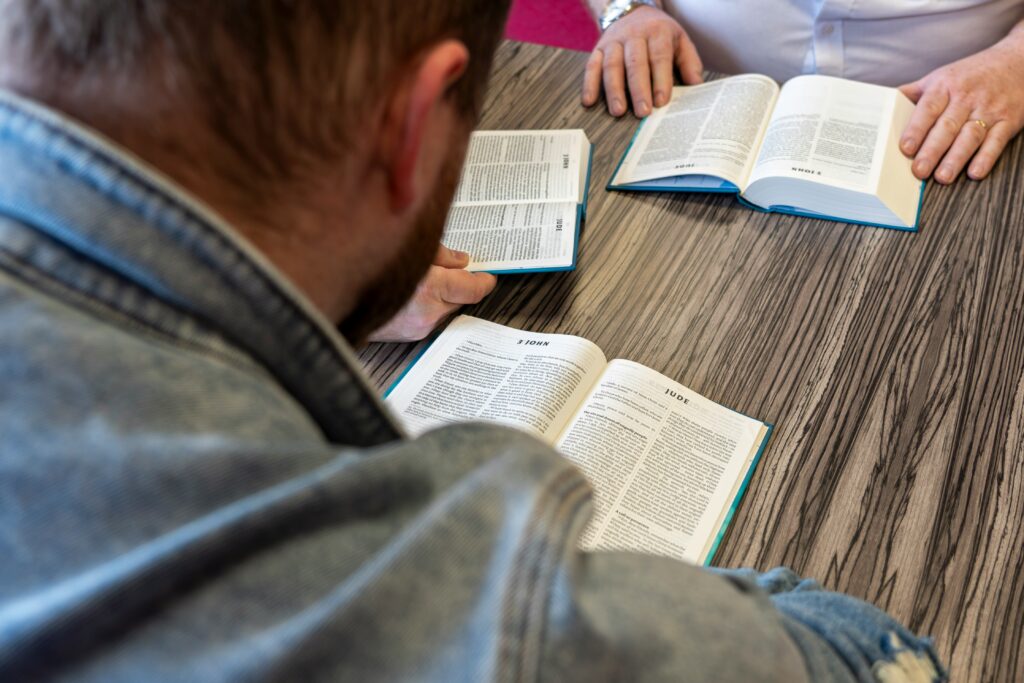
Consider reading with others who will spur you on. The structure and accountability of a reading community can dramatically accelerate your theological growth.
The Path Forward
These five steps will put you on the path to studying theology and becoming a theologian yourself:
- Start reading your Bible daily – Begin simple, build the habit
- Add study onto that daily reading – Go deeper into passages
- Start reading other books – Christian and theological works
- Take notes and review – Apply what you’re reading to your life
- Organize your studies systematically – Plan your reading in advance
It’s not complicated. You just need to start with these basic things and remain consistent. The journey from ordinary Christian to robust theologian is available to everyone willing to take these steps.
The question isn’t whether you study theology. It’s how well you’ll study theology. Why not start today?
