

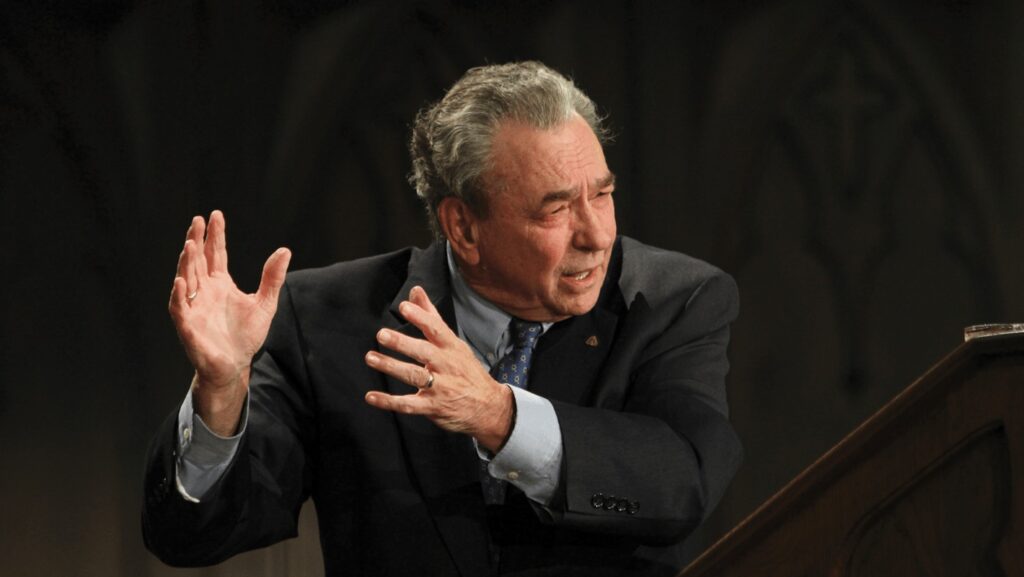
R.C. Sproul and his books were a gift to the church.
Few theologians can take complex theological and philosophical concepts and make the understandable for the average Christian. Sproul was one of those.
He also wrote a lot of books on many topics – ranging from predestination to Scripture.
So here are 7 of R.C. Sproul’s best books to get started with – from the popular options to the deeper cuts.
R.C. Sproul Book #1: The Consequences of Ideas
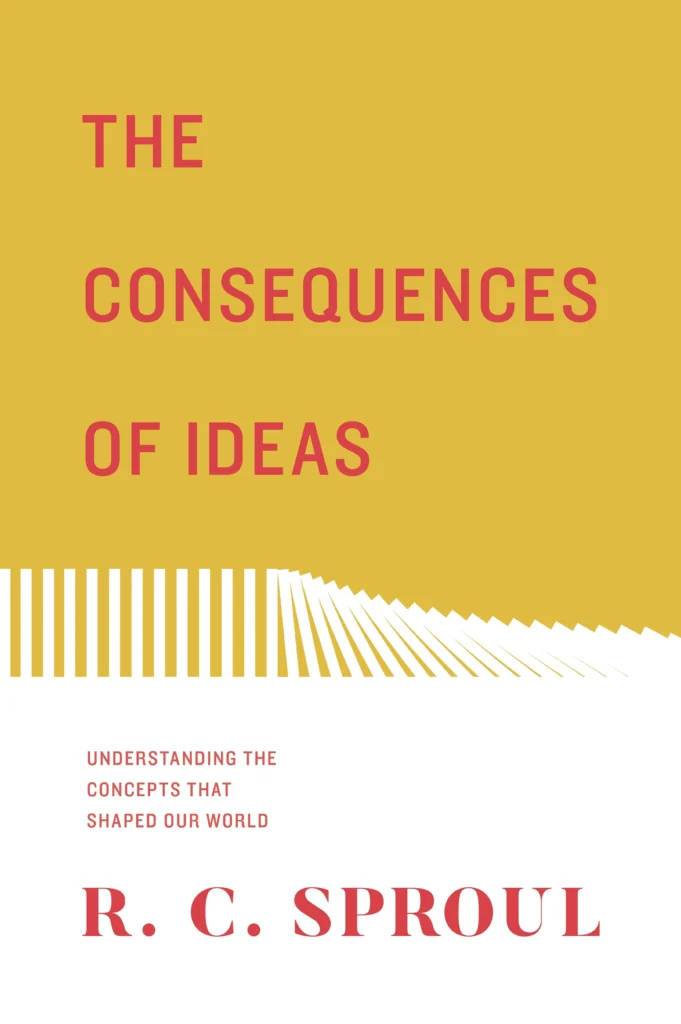
There is one thing that Adolf Hitler feared: the wrong ideas.
This book first explains the ideas of philosophers (both Christian and not) and then finally analyzes them in light of Scripture & the Christian worldview.
If you want to dip your feet in the pool of philosophers and philosophy with a low barrier to entry – this R.C. Sproul book is the place to start.
Key lessons:
- Christians must be aware of philosophy and philosophical ideas in order to combat or align themselves with them.
- A lot of philosophical reasoning is driven by a need to attempt to make sense of the world without God, which is futile.
- You will learn about the key philosophers throughout ancient and modern history, from Plato & Aristotle to Marx & Kierkegaard.
- Philosophy was born out of a need to find a metaphysical answer to the physical world.
R.C. Sproul Book #2: Chosen By God
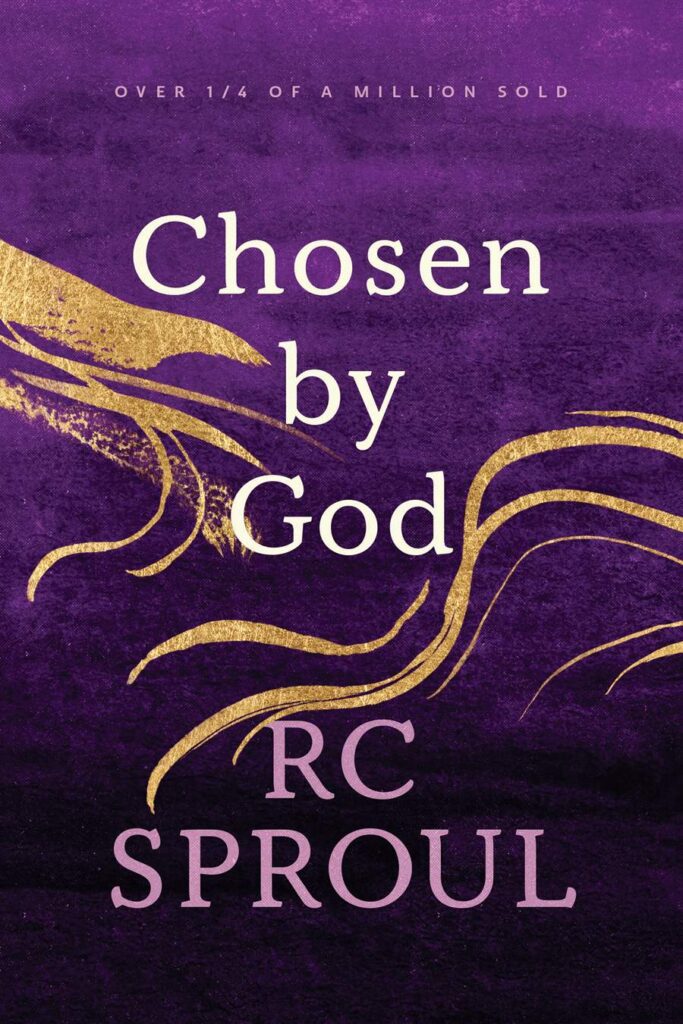
This book is the best place to start if you’re trying to understand God’s sovereignty, election and predestination – a topic many Christians wrestle with.
Filled with helpful analogies, clear explanations and refutations of errors – you won’t be disappointed.
Key lessons:
- Some people receive mercy, some people receive justice, but nobody receives injustice.
- Human freedom is within the bounds of God’s greater freedom, and our wills are oriented towards whatever our greatest desires are. After the fall, our greatest desire is sin.
- Saints will persevere until the end due to God’s faithfulness and not our own works.
- Everybody wrestles with the doctrine of predestination at some point – the question is whether you resolve it Biblically or not.
R.C. Sproul Book #3: The Holiness of God
Our evangelical culture is filled with messages about God’s love. While this is great, it often (deliberately) comes at the expense of God’s holiness.
Which is shocking, since Scripture talks about God’s holiness just as much as it does his love. In fact, if God’s love is his motivation, His holiness is the backdrop which it operates from.
So this book brings a well-needed adjustment to the discussion. And it’s a worthwhile, balanced read.
Key lessons:
- The Lord’s Prayer starts out by addressing God in his holiness “Our Father in heaven, hallowed be your name.” That’s how important God’s holiness is.
- Our sanctification in the Christian life is becoming more holy like God, because he is holy. We must remember this.
- Any anger we hold towards God stems from the infinite chasm between his righteousness and our unrighteousness. We hate him unless he saves us.
- God is the Prince of Peace, and one day any warring against him in our flesh will cease. We will have peace with God.
- God’s holiness is beautiful, as well as true and and good. We often forget about it’s beauty. We can observe this beauty of God in nature, whether it is a football game or the skies above.
R.C. Sproul Book #4: Knowing Scripture
At Theology Guild, I am passionate about Christians not just reading but also studying the Bible (and other theological works). This book aligns with that goal perfectly.
So if you want to study the Bible to understand God’s Word accurately, completely and contextually – this book is a tool that will assist you greatly.
Key lessons:
- The reason most Christians don’t study the Bible is simply because they are lazy.
- Good hermeneutics are everything. If your interpretive method does not arise from the Scriptures themselves, but relies on an outside methodology, you will interpret it wrongly.
- Many Christians think they are being more true to Scripture by prizing their personal interpretation over how the church has historically interpreted it. We need both, but we often neglect tradition too much.
- The ‘cultural’ argument for certain inconvenient passages (e.g. women’s roles) often holds no water. Some things in Scripture are culture-specific, but many are not.
- We must always approach Scripture with humility. We can be (and often are) wrong, and we must be open to changing our minds if Scripture gives us a reason to.
R.C. Sproul Book #5: What Is Reformed Theology?
I wish I read this book earlier on in my Reformed Theology journey, because it so clearly outlines what it means to be Reformed (beyond mere Calvinism).
If you want to understand Reformed theology properly, start here.
Key lessons:
- Reformed Theology is more than just Calvinism. This book explains the doctrines of grace but also the broader Reformed evangelical tradition, and the doctrines associated with it.
- Theology is “queen of the sciences” (quoted from Thomas Aquinas), and we must treat the study of theology as the highest priority over other subjects.
- Covenant Theology is a foundation of Reformed Theology – centered around the Covenant of Redemption, the Covenant of Works and the Covenant of Grace.
- Reformed Theology is the most Biblical theology because it is the most God-centered theology, whereas other theological systems tend to be man-centered.
R.C. Sproul Book #6: Romans: An Expositional Commentary
There are plenty of excellent commentaries on Romans – especially at the technical and semi-technical level.
But this commentary is one that any Christians could read – minister or layman.
It is packed with deep Biblical exposition alongside Sproul’s signature analogies and stories. A must have for anyone wanting to understand Paul’s magnum opus better, and doctrines like justification, total depravity, and how to live in light of these truths.
Key lessons:
- A fun fact I learned: John Chrysostom had Romans read once a week aloud to him. How we would benefit if we did the same.
- Justification by faith alone is the central tying theme of the whole of Romans.
- We often refuse to measure ourselves against God’s law but against human customs in the age we live in. But Romans shows us that “all have sinned and fallen short of the glory of God” (Rom 3:23).
- Sproul holds the tension between the election of his people and the mystery of his future dealings with Israel.
R.C. Sproul Book #7: Everyone’s A Theologian
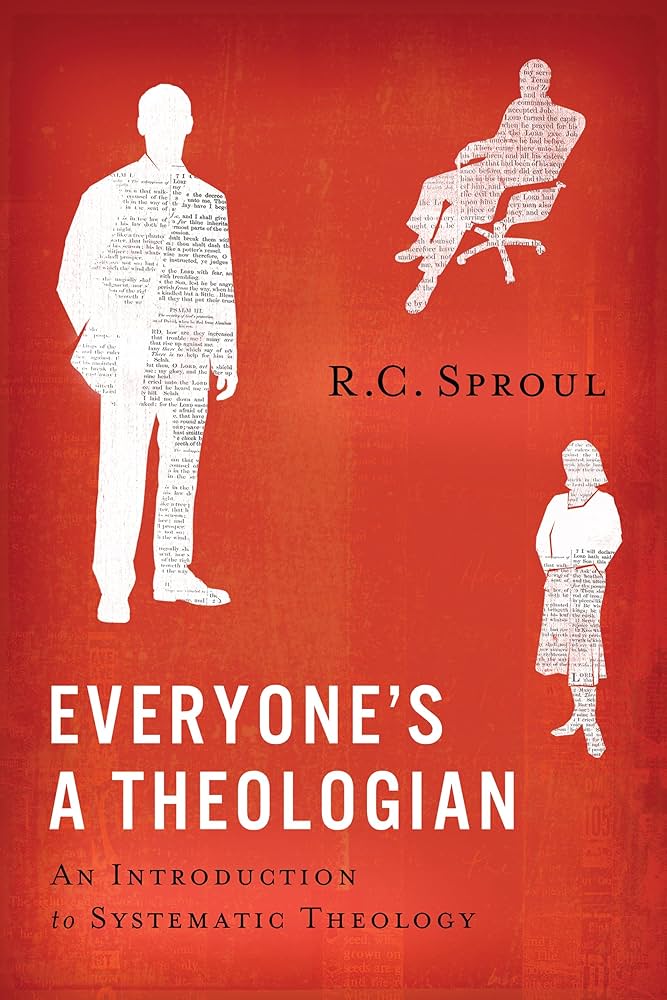
If systematic theology has you intimidated, here’s a great starting point.
Sproul outlines the essentials of a Reformed systematic theology, touching topics like theology proper, creation, Christology, and much more.
It’s broken up into 60 short & digestable chapters that anyone can dive into.
Note: I recommend reading this volume alongside J.I Packer’s Concise Theology and Cornelius Van Til’s An Introduction to Systematic Theology.
Key Lessons:
- Everyone has a theology, even if they declared “no creed but Christ”. It’s simply a question of which theology you hold to.
- Scripture, authority and epistemology shapes our theological systems at the foundations. Get this wrong, and you get everything wrong.
- Anthropomorphic language must be read in the light of the rest of Scripture, because we know that God does not have a body like men (John 4:24).
- Sproul has attempted to explain systematic doctrines “from the ground up” without relying on any other, fuller systematic theologies
- This book explains the major positions on contested subjects like eschatology, while distilling the essential truths down to their basic parts.
Anything Else?
Besides the 7 R.C. Sproul books mentioned above, here’s a rapid-fire list of some other notable works to fill up your theological library.
- Now, That’s a Good Question (great for getting answers to faith-related question from a robust Reformed worldview)
- Essential Truths of the Christian Faith (pretty self-explanatory – a great option for those newer to Christianity)
- Truths We Confess (an exposition of the Westminster Confession of Faith, the chiefest confession of the Reformed tradition)
- The Last Days According to Jesus (Sproul’s explanation of eschatology, centered around the Olivet Discourse, and his critique of Full Preterism from a Postmillennial view)
I hope these books get you started on reading one of the modern church’s greatest gifts.
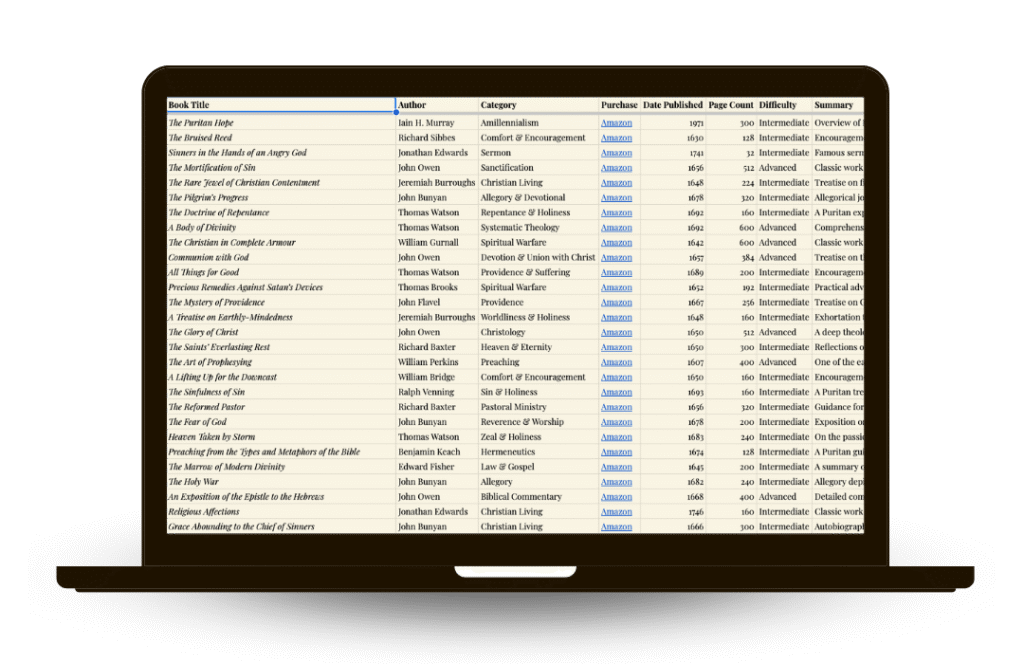
And remember to grab my Ultimate Reformed Book List for free down below for more book suggestions – all wrapped up in one place.
